
Quick answer — what to do now
Before sustained cold arrives, check your furnace filter, thermostat settings and visible air vents, then plan professional maintenance according to the manufacturer’s instructions. Leave combustion, gas, electrical and venting work to qualified technicians.
If you smell gas or a carbon-monoxide (CO) alarm sounds, leave immediately and call 911 or the gas utility’s emergency line from outside. Do not wait for an online appointment. See Ontario CO safety and Enbridge gas safety.
Why a pre‑winter check matters
A clean, well‑tuned furnace runs more efficiently, reduces breakdown risk during cold snaps and lowers safety hazards from combustion appliances. Natural Resources Canada recommends scheduling heating system checkups in the fall and notes homeowners can do simple tasks while a qualified technician should perform efficiency tune‑ups and safety inspections. (prod-natural-resources.azure.cloud.nrcan-rncan.gc.ca)
Simple DIY checks you can do this weekend
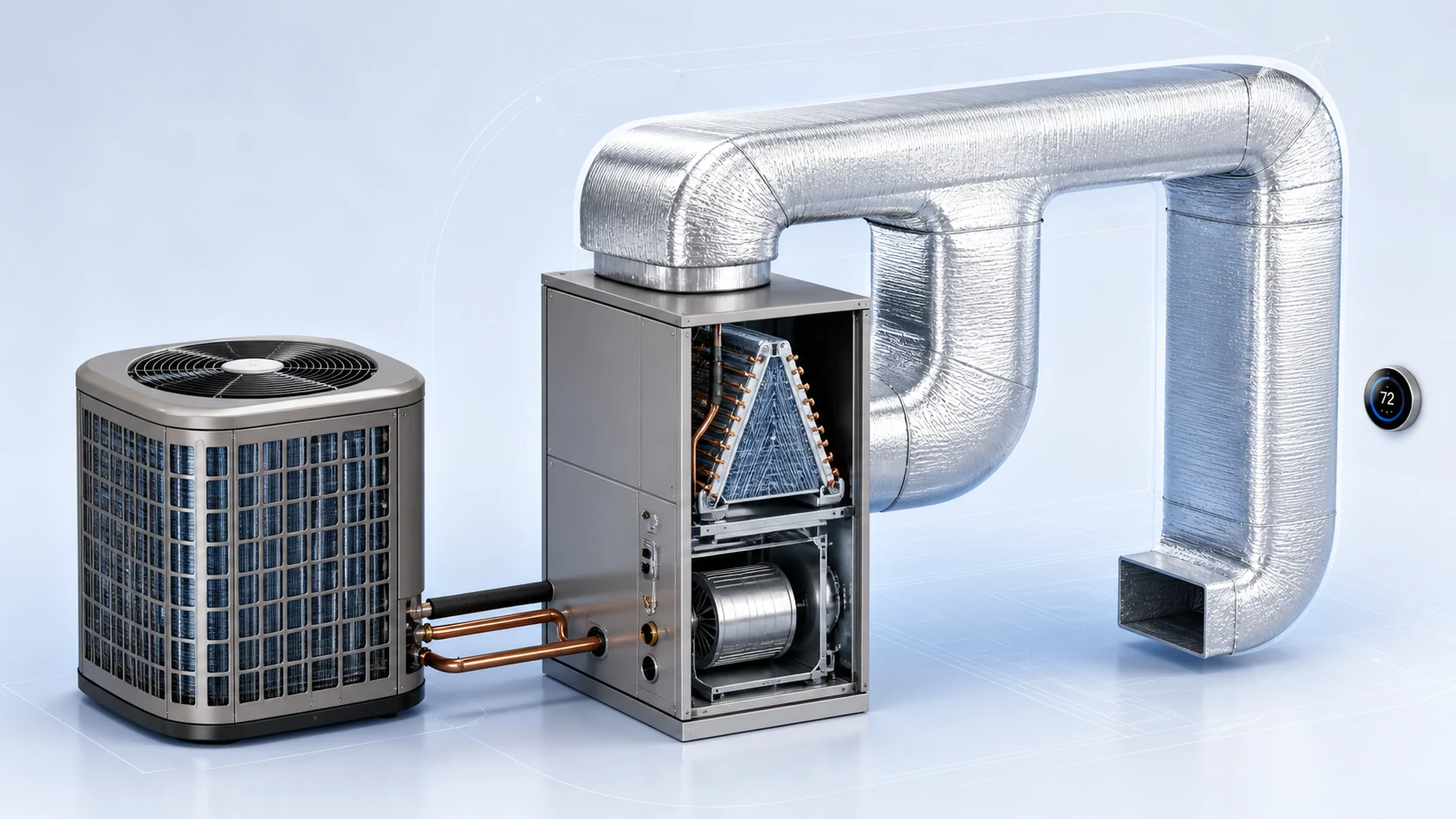
Only carry out accessible checks described in your equipment manual. Do not remove service panels, touch wiring or adjust gas controls. If you smell gas or a CO alarm sounds, leave the home immediately and call 911 or the gas utility’s emergency line from outside.
- Inspect the filter and follow its manufacturer’s replacement schedule. Note the size and airflow direction; ask a technician before changing to a more restrictive filter.
- Check thermostat settings and replace user-accessible batteries if the manual calls for it. Do not handle wiring.
- Keep supply and return grilles clear of furniture and curtains.
- Keep storage and combustibles away from the furnace, following the equipment’s specified clearances and service-access requirements.
- Note visible water leaks or damaged venting without touching or attempting to repair them. Have a qualified technician assess the problem.
- Test smoke and CO alarms using their test buttons and follow the manufacturer’s instructions for testing, batteries and replacement. See Ontario’s CO safety guidance.
What to leave to a technician (and why)
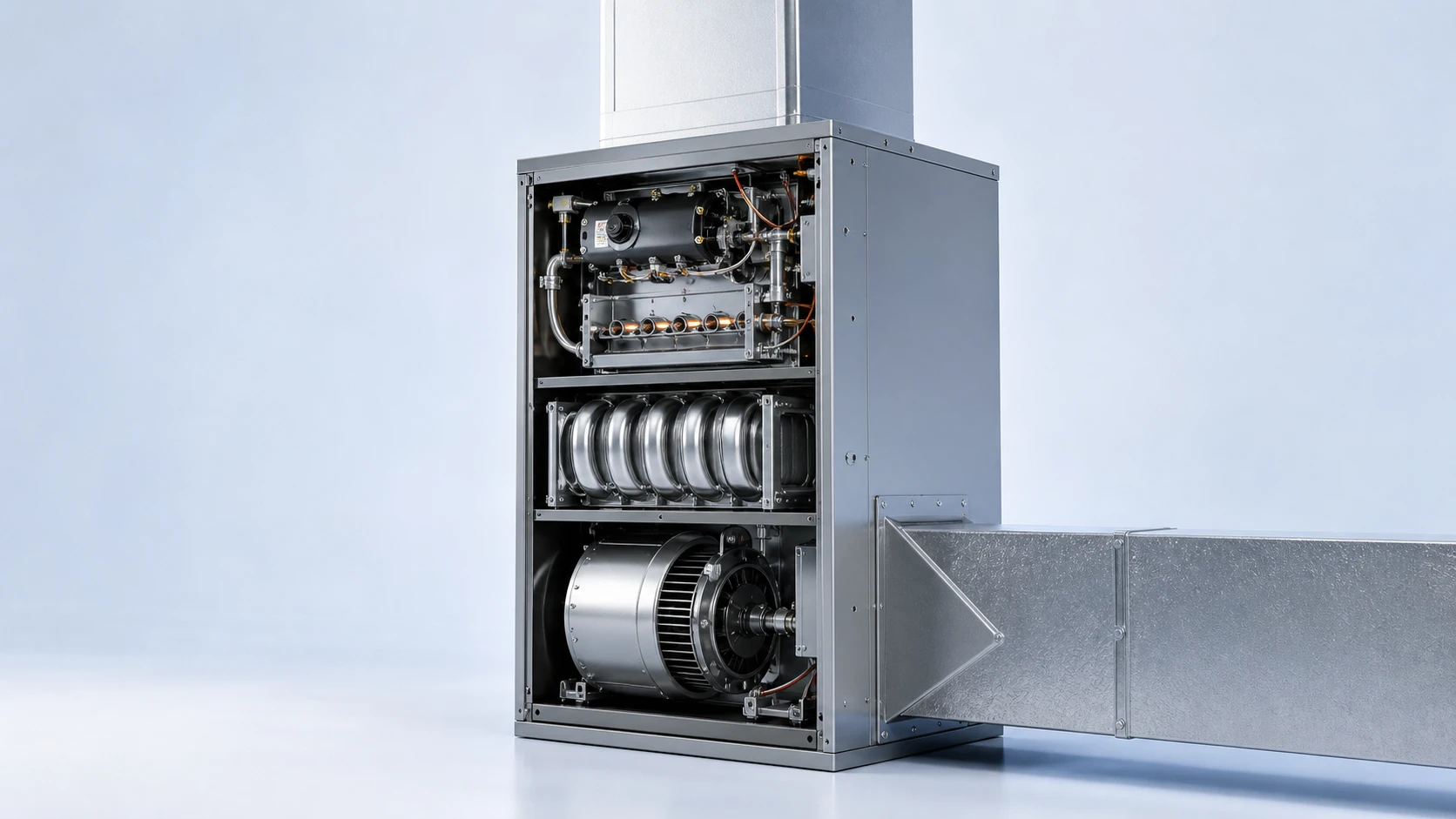
A professional furnace tune‑up includes safety and performance tasks that require tools, training and (in some cases) combustion testing. These items should not be attempted by untrained homeowners.
- Combustion and venting checks appropriate to the furnace and the manufacturer’s service procedure.
- Heat-exchanger inspection and evaluation of any corrosion or damage.
- Burner, ignition and flame-sensing checks and cleaning where specified.
- Blower, airflow and electrical checks using suitable instruments.
- Testing the equipment’s safety controls without bypassing them.
- Gas-system checks by a qualified technician. A suspected gas leak is an emergency: leave immediately and call the gas utility’s emergency line or 911 from a safe location, not the routine booking line.
- Condensate-drain checks for a condensing furnace. Ask what cleaning, parts and filter replacement are included in the visit.
Recommended schedule for checks and professional service
Monthly: check or replace disposable filters and test CO/smoke alarms.
Every fall (before heavy use): run DIY checks above and book a professional inspection/tune‑up. NRCan recommends planning a heating system check in the fall. Depending on equipment type and age, a qualified contractor should perform either an annual or at least a biennial inspection — follow your manufacturer’s maintenance schedule and your technician’s advice. (prod-natural-resources.azure.cloud.nrcan-rncan.gc.ca)
Ontario carbon‑monoxide alarm rules you need to know (effective Jan 1, 2026)
Since January 1, 2026, Ontario’s CO-alarm rules require alarms adjacent to sleeping areas and on every storey in houses with a fuel-burning appliance, fireplace or attached garage, and certain houses receiving heated air from a fuel-burning appliance outside the home. Different building arrangements can have additional requirements. Follow the current Ontario guidance, the alarm manufacturer’s installation instructions and your local fire department’s advice.
When to book routine furnace service
For non-emergency issues such as recurring cycling, uneven heat or new operating noises, arrange a professional diagnostic rather than guessing which part needs replacing. Routine maintenance can also be booked before heavy winter use. Have the model, approximate age and your observations ready so the visit can be planned.
A gas smell or CO alarm is not a routine booking issue. Leave immediately and call 911 or the gas utility’s emergency line from outside. Only arrange follow-up furnace work once emergency responders or the gas utility say it is safe.
What we recommend you include in a professional tune‑up
Ask for a written service scope that follows the manufacturer’s maintenance instructions. Depending on the equipment, it may include combustion and venting checks, safety-control tests, heat-exchanger inspection, airflow and blower checks, condensate checks and thermostat verification. Confirm which cleaning, filters, repairs or replacement parts cost extra. A tune-up cannot guarantee that an older furnace will never fail.
Safety first — immediate steps if you suspect a problem
If you smell gas: leave the building immediately. Do not use phones, electrical switches, flames or appliances inside, and do not search for or repair the leak. Once safely away, call your gas utility’s emergency line or 911. Do not delay evacuation to ventilate. See Enbridge Gas emergency guidance.
If a CO alarm sounds: get everyone outside to fresh air immediately and call 911 or your local emergency number from outside, even if nobody feels ill. Do not search for the source or re-enter until emergency responders say it is safe. See Ontario’s carbon-monoxide safety instructions.
Choose the right next step for your home
For routine maintenance or a non-emergency fault, book a service visit. If replacement is already under consideration, compare furnace options or request an equipment quote. Emergency gas or CO concerns always take priority over these booking links.
- Understand replacement options: Explore furnaces.
- Compare equipment for your home: Request a replacement quote.
- Arrange non-emergency help: Book maintenance or repair.
- Learn about diagnostic visits: Furnace repair.
Quick checklist (one‑page summary)
Before winter: change filter, test thermostat, test CO and smoke alarms, clear area, inspect vents, book a professional tune‑up.
Monthly during heating season: check/replace filter, listen for unusual noises, test alarms.
When in doubt: call a qualified technician rather than attempting gas, vent or combustion repairs yourself.
Bring useful information to your appointment
Write down the furnace model, approximate age, filter size and any recurring non-emergency symptoms. Note which rooms feel uncomfortable and when the problem occurs. These observations help the technician investigate; they do not replace an on-site diagnosis.
This guide provides general homeowner information. Equipment instructions and current official safety guidance take precedence. Gas, electrical, combustion and venting work belongs with qualified professionals.
Frequently asked questions
How often should I have my furnace professionally serviced?
Schedule a professional inspection in the fall before heavy use. Guidance varies by source and equipment — many manufacturers and contractors recommend annual tune‑ups; Natural Resources Canada advises planning fall checkups and notes some heating equipment may be serviced every one to two years depending on type and age. Follow your manufacturer’s schedule and technician recommendations. (prod-natural-resources.azure.cloud.nrcan-rncan.gc.ca)
Do I need carbon‑monoxide alarms in my home?
Ontario requires CO alarms in specified homes, including houses with fuel-burning appliances, fireplaces or attached garages. Since January 1, 2026, the applicable house requirements include every storey and locations adjacent to sleeping areas. Check Ontario’s current guidance and contact your local fire department for your building’s requirements. Test and replace alarms according to their instructions.
Can I clean the burners or inspect the heat exchanger myself?
No. Heat‑exchanger inspection, burner adjustments, combustion and venting checks require trained technicians and proper testing equipment. Attempting these without training can be dangerous and may void warranties. Book a professional tune‑up for these tasks. (natural-resources.canada.ca)
What if my CO alarm goes off?
If your CO alarm sounds, leave immediately: get everyone outside to fresh air and call 911 or your local emergency number from outside, even if nobody has symptoms. Do not look for the source or re-enter until emergency responders say it is safe. See Ontario’s CO-alarm instructions.