Upgrade now
Benefits
Considerations

Smart recommendations, careful installation and dependable support—from the first question to the final walkthrough.
Secure application through Abode Financial. Get a credit decision in seconds.
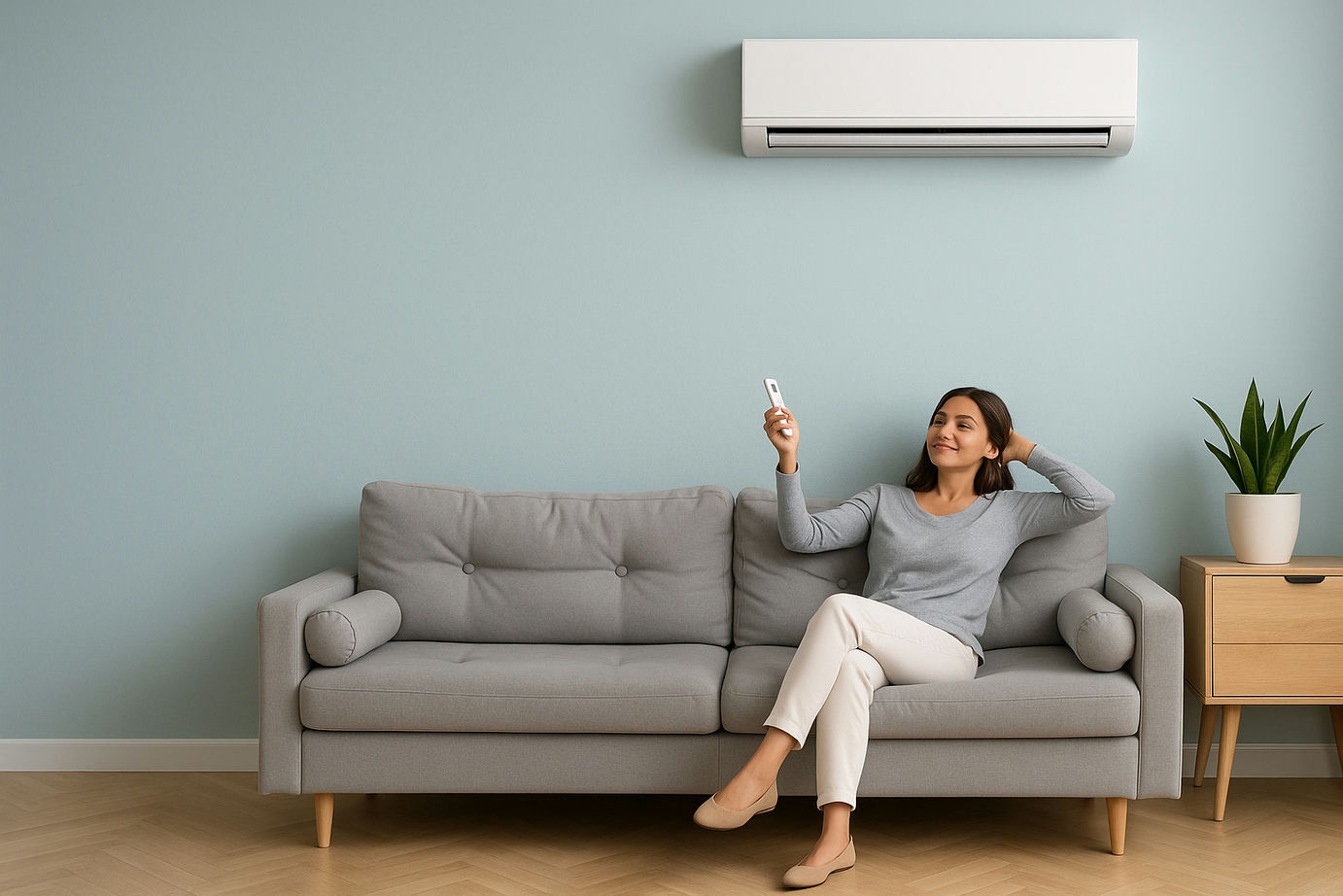
A ductless mini-split connects a compact outdoor heat pump to one or more indoor units. Each zone gets its own temperature control, making it a smart choice for homes without ductwork, additions, upper floors and rooms that never feel quite right.
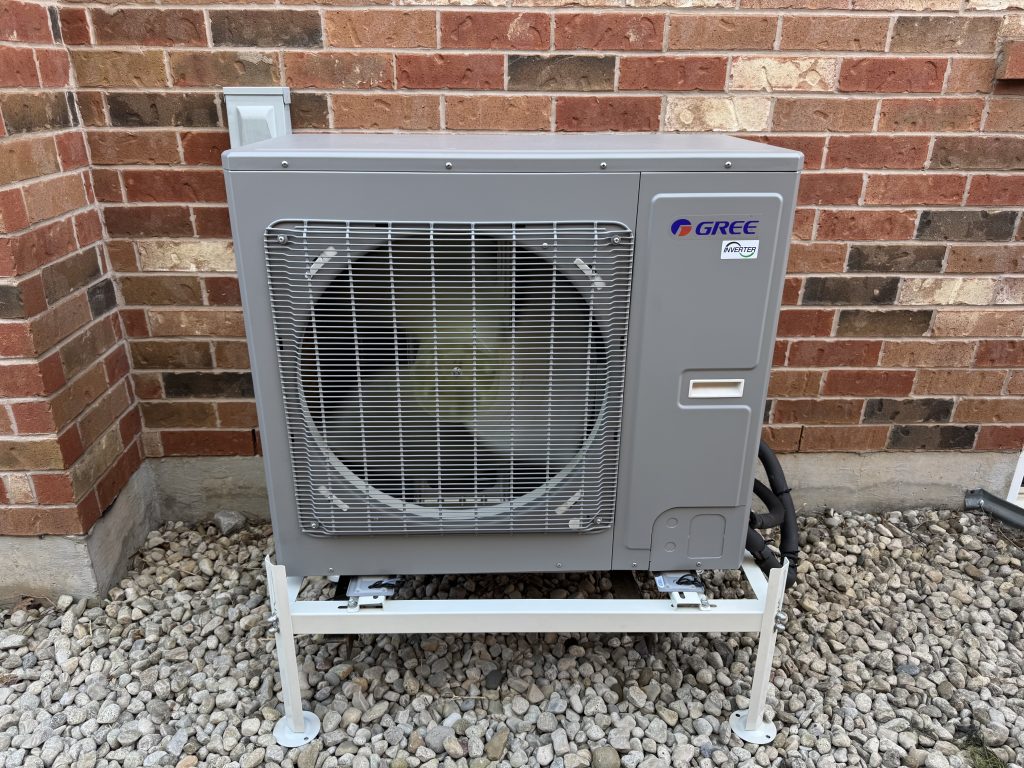
Ductless systems can solve uncomfortable rooms without the cost and disruption of adding a complete duct system.
Variable-speed inverter systems adjust output instead of repeatedly starting and stopping at full power.
One system provides air conditioning in summer and efficient heat through much of Ontario’s winter.
Set independent temperatures in bedrooms, living areas, additions or different floors of the home.
Modern indoor heads run at low sound levels and avoid the rush of air from a traditional central system.
As a Panasonic dealer, we can design single-zone and multi-zone ductless systems with efficient inverter operation, quiet indoor comfort and controls suited to the way your family uses each room.
Explore Panasonic options ↗
Every home needs proper heat-loss and heat-gain sizing. Ductless is especially useful when conventional ductwork is missing, undersized or unable to reach a problem area.
The program is delivered by Enbridge Gas and Save on Energy with support from the Government of Ontario. Rebate amounts depend on the home’s existing primary heating source and the eligible system’s rated capacity.
Eligible cold-climate air-source heat pumps can receive $500 per ton, up to the program maximum.
Eligible cold-climate air-source heat pumps can receive $1,250 per ton, up to the program maximum.
Program amounts and eligibility are controlled by the Home Renovation Savings program and may change. “Up to” amounts are not guaranteed. The official program terms, qualified-product requirements, pre-approval and participating-contractor rules apply.
We look at each room, the existing heating system, electrical capacity and where indoor and outdoor equipment can sit.
Heat-load calculations and room use guide the equipment capacity, head style and number of zones.
Review equipment, installation details, eligible rebates and available monthly payment options together.
Our team completes the work, tests every mode and shows you how to control and maintain each zone.
Your quote can show multiple ductless system choices, the complete installed price and estimated monthly financing so you can compare without pressure.
Complete a secure application through Abode Financial. Financing is subject to lender approval and final terms.
Check financing eligibility ↗Every room and system is different. A free assessment gives you the most accurate answer for your home.
Book a free assessment →Cold-climate models are designed to operate in low outdoor temperatures, but system capacity, home heat loss and backup-heat needs must be reviewed for your specific property.
It depends on the floor plan, room loads and how air moves through the home. One open area may need a single head, while separated rooms usually need individual zones or another system approach.
Yes. A mini-split heat pump provides both cooling and heating, plus dehumidification in cooling mode.
The current Home Renovation Savings heat-pump stream does not require a home energy assessment. Program pre-approval and all other eligibility requirements still apply.
No. The equipment must meet program requirements and appear on the applicable Natural Resources Canada qualified-products list. The home, existing heating source and installation pathway must also qualify.
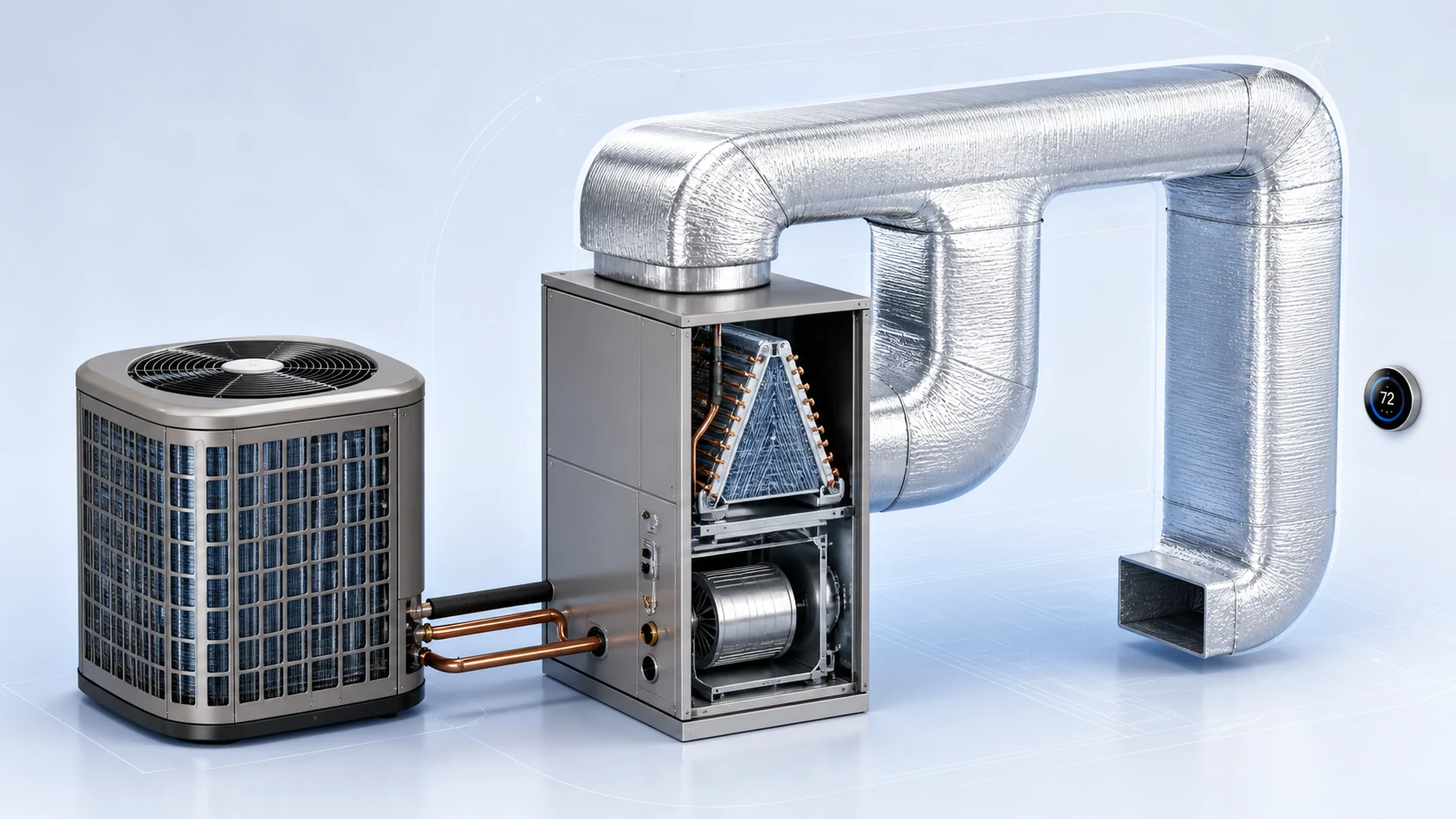
Your air conditioner is more than the unit outside. Scroll through the system to see how each component works—and where our technicians look when comfort breaks down.
The compressor and outdoor coil release heat collected inside your home. We test electrical components, refrigerant pressures, the fan motor and coil condition before recommending a repair.
The cold evaporator coil absorbs indoor heat while the blower moves conditioned air through the home. Ice, restricted airflow or a tired motor can quickly reduce comfort.
Even healthy equipment cannot perform through leaking, restricted or poorly balanced ducts. We check temperature split, static pressure, filtration and the air path—not only the machine.
Your thermostat, sensors and low-voltage controls tell every component when to run. A clean diagnosis separates a control problem from an expensive equipment problem.
 Outdoor air intake
Blower motor
Conditioned air
Outdoor air intake
Blower motor
Conditioned air
From ignition and airflow problems to safety controls and heat exchangers, our technicians diagnose the complete heating system before recommending work.
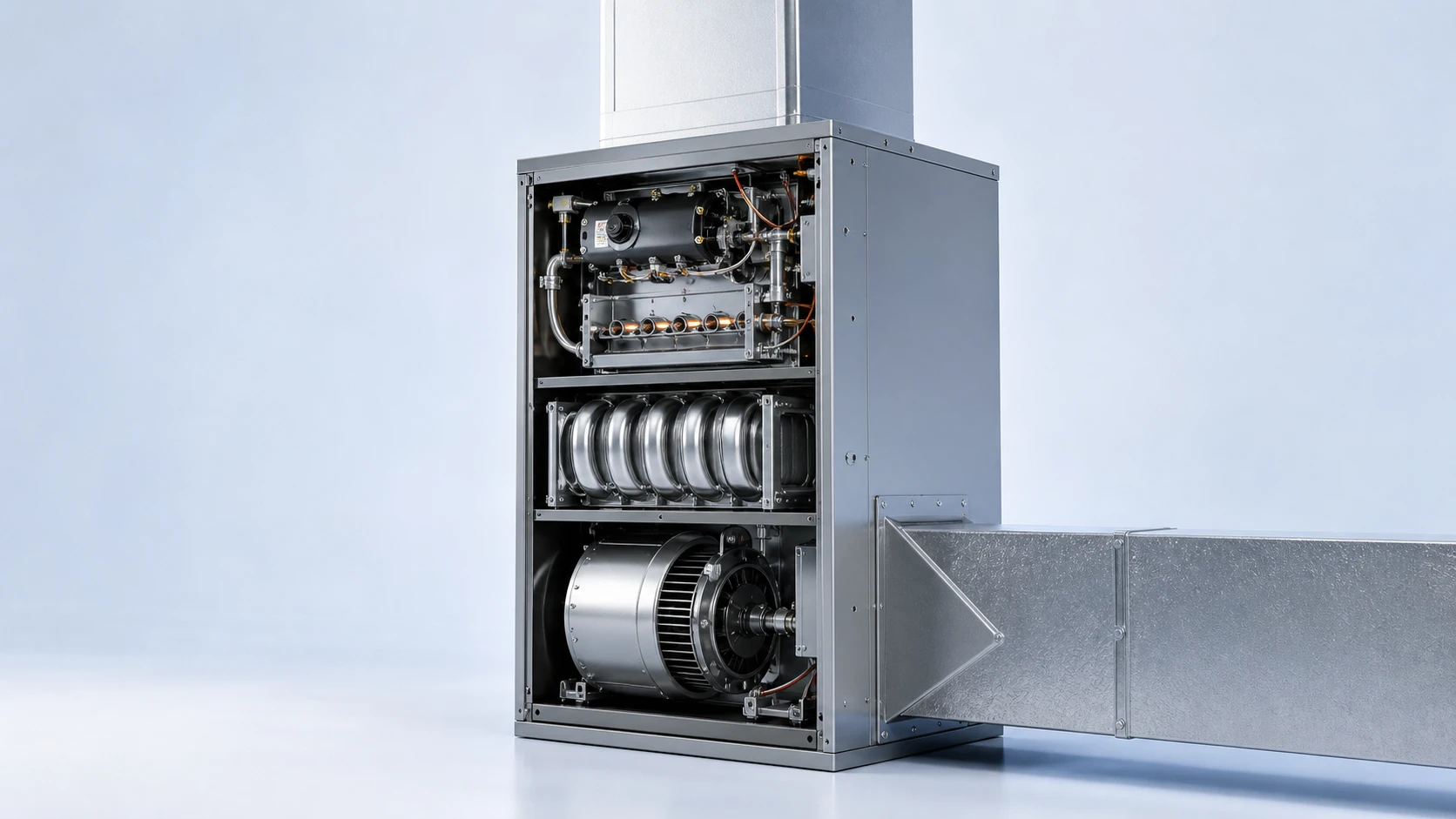 Ignition + burners
Heat exchanger
Blower motor
Ignition + burners
Heat exchanger
Blower motor
A complete diagnostic gives you a clear explanation, the repair price and honest guidance on whether the work makes sense.
System running but the home stays warm—or nothing starts at all.
Low air volume, uneven rooms or a system that never catches up.
New rattles, buzzing, ice, moisture or water around the equipment.
Frequent starts and stops that affect comfort and equipment life.
Tell us what the system is doing and choose an available service window online, or call us anytime for urgent heating and cooling help.
Choose an offer and tell us about your home. We’ll confirm eligibility, show the full installed price and explain every available payment option.
See clear monthly payment options alongside your equipment and installed price, so you can choose the plan that fits your home.
Available on qualifying equipment and approved credit. Final payment depends on the selected system, term and lender approval.
Get pre-approved now ↗ Secure application through Abode FinancialBook a free assessment and share your comfort goals, equipment needs and preferred budget.
Your quote shows the equipment, installed price and available estimated monthly payments together.
Choose your preferred option and complete the lender application. Approval is subject to credit review.
*Starting at $39 per month on approved credit (OAC). Availability, rates, terms and payments vary by equipment, project price and applicant credit profile. Full lender terms will be provided before commitment.
Repair what makes sense. Replace what doesn’t. We make the options easy to compare and the next step easy to take.
Installation, repair and seasonal maintenance for dependable winter warmth.
Explore heating → 02Efficient year-round heating and cooling built for Ontario weather.
Explore heat pumps → 03Quiet, efficient cooling sized and installed for your home.
Explore cooling → 04Tank and tankless systems with fast, code-compliant installation.
Explore hot water → 05Cleaner, better-tasting water with systems matched to your household.
Explore water → 06Responsive service and practical solutions for commercial properties.
Explore commercial →
No pressure, no jargon and no mystery. You’ll understand the work, the options and the price before anything begins.
We consider comfort, efficiency, budget and the equipment you already own.
See products, pricing, financing and inclusions together—then choose what fits.
Our GTA team remains available after the installation is complete.
From equipment placement to cleanup, the small details matter. Our team treats your home like a home—not a job site.
See where we work →Whether you need a quick repair or a complete home system, we’ll help you weigh operating cost, efficiency and long-term value.
Book online or call. Share your goals, symptoms and preferred timing.
We assess the space, existing system and the options that fit.
Review a modern quote with product, price and payment choices.
Your installation is scheduled, completed and walked through carefully.
Real feedback from local heating and cooling projects.
Read current ratings and reviews directly on the Infinite Home Comfort Google Business Profile.
Still deciding? Call us and a real member of our team will help.
1-833-700-4822 →We serve homeowners throughout the Greater Toronto Area and surrounding communities. Enter your address in the booking portal to confirm availability.
Yes. Our team handles diagnostics, repairs, maintenance, replacements and new installations across heating, cooling and water systems.
Absolutely. Your quote can include multiple products, sale pricing and monthly payment options so you can compare before signing.
Availability changes by location and service type. The booking portal shows current appointment windows and our team prioritizes urgent no-heat and no-cooling calls.
Book a service visit or a free comfort assessment in just a few minutes.